×

Exciting changes ahead!

Focus Eye Care is happy to announce the addition of Dr. Justin Schulte and Dr. Keaton Cornish to the practice starting in April 2026. We are experiencing higher than normal call volumes at the moment so please be patient with us. IF YOU ARE A NEW TO THE ONLINE SCHEDULING YOU WILL NEED TO TEXT/EMAIL US YOUR NAME AND EMAIL ADDRESS FIRST BEFORE USING THE ONLINE APPOINTMENT BOOK. WE WILL THEN ALLOW YOU ACCESS. THANK YOU AND WE APOLOGIZE FOR THE INCONVENIENCE.

Schedule an Appointment Online
Close

Would you like to switch to the accessible version of this site?

Go to accessible site Close modal window

Don't need the accessible version of this site?

Hide the accessibility button Close modal window
Accessibility View Close toolbar

Focus Eye Care

M: 9am-1pm T: 11am-7pm W/Th: 8am-5pm F: 8am-3pm 
Sat/Sun: Closed


Menu
  • Home
  • New Patient Center
    • Online Forms
    • Insurance & Payments
  • About Us
    • Meet the Optometrists
    • Meet the Staff
  • Eyecare Services
    • Contact Lens Exams
    • Eye & Vision Exams
    • Eye Surgery
    • Hard To Fit Contacts
    • Ortho-K
    • Computer Vision Treatment
    • Sunglasses
  • Frames
  • Blog
  • Community Content
  • Contact Us
    • Appointment Request
  • Spread the Love Nomination
  • Home >
  • Articles >
  • Pediatric Vision >
  • Accommodative Dysfunction

Accommodative Dysfunction

  • Created in Pediatric Vision

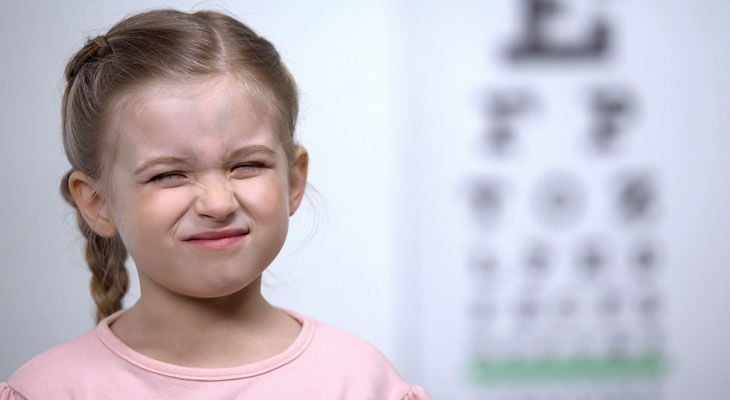
Young girl squinting eyes

Simply put, accommodative dysfunction means that the eyes have difficulty focusing properly. Studies suggest that between 2 and 17% of children may suffer from accommodative dysfunction. The nature of this disorder means that it sometimes goes unnoticed in standard vision screenings conducted at school. Thus, it is important that parents schedule a comprehensive eye exam for children, particularly if an issue with focusing is suspected.

What Is Accommodative Dysfunction?

In kids with normal vision, each eye functions independently, while the brain ties visual information to create a cohesive visual image. The brain directs eye movements, allowing a person to focus on nearby objects as well as those that are far away. These calculations are done subconsciously, meaning that it requires no effort to switch from near vision to distance vision.

For people with accommodative dysfunction, however, the eyes and visual system do not work together appropriately. Particularly when trying to look at nearby objects, the eyes do not focus properly. A variety of symptoms may result, including:

  • Blurring of nearby objects
  • Visual discomfort, such as soreness or strained eyes
  • Headaches (often in the front or sides of the head)
  • Sensitivity to glare
  • Dizziness
  • Difficulty sustaining attention on nearby objects, such as during reading
  • Rapid fatigue
  • Moving work closer or farther away, or tilting the head to improve focus

Having accommodative dysfunction makes it difficult and unpleasant to do close-up tasks such as reading. As a result, some children are incorrectly diagnosed with a learning disability.

Diagnostic Procedures

An optometrist can conduct a comprehensive eye exam to diagnose accommodative dysfunction and rule out other possible explanations for symptoms. After taking a thorough patient history, your eye doctor will test visual acuity and the performance of your eye muscles in controlling the eyes. You may be asked to follow a small object with your eyes, view objects through a prism, or perform other eye tests.

Treatment for Accommodative Dysfunction

Using reading glasses for close work is a common way to correct focusing problems. However, vision therapy is typically necessary to retrain the eyes to work well together. Vision therapy includes in-office appointments as well as at-home exercises. The purpose of this therapy is to improve the speed and accuracy of a typical focusing response, making the eyes used to working together to focus on nearby objects.

  • Common Eye Conditions
    • Age-Related
    • Cognitive and Acquired
    • Vision Impairment
    • Injury & Irritation
    • Eye Lids
    • Changes in Appearance
  • Contact Lenses
  • Eye Diseases
  • Eyeglasses
    • Eyeglass Lenses
  • Eye Symptoms
  • How the Eyes Work
    • Basic Visual Skills
  • Pediatric Vision
  • Protecting Your Eyes
  • Visual Rehabilitation
  • Vision Problems
  • What is Vision Therapy
  • Vision Therapy Programs
  • We Can Help With
    • Cataracts
    • Corneal Disorders
      • Disorders
    • Glaucoma
    • Refractive Disorders
    • Adult Strabismus
    • Retinal Disorders
  • Newsletters
    • Glasses & Frames
    • Contacts
    • Tips for Healthy Eyes
    • Conditions That Affect Vision
    • Kid's Vision
    • Amazing, Interesting Eyes
    • Medical Perspectives

Contact Us for Availability!

Same day appointments available! Call to schedule.

Error!

    Office Hours

    Same day available!

    Waukee Office - Call for same day appointments!

    Monday:

    9:00 am-1:00 pm

    Tuesday:

    11:00 am-7:00 pm

    Wednesday:

    8:00 am-5:00 pm

    Thursday:

    8:00 am-5:00 pm

    Friday:

    8:00 am-3:00 pm

    Saturday:

    Closed

    Sunday:

    Closed

    We are located at the corner of University and SE Alices Road

    Call us at (515) 264-2445 to schedule your comprehensive eye appointment!

    Contact Us
    • Copyright © 2026 MH Sub I, LLC dba iMatrix.
    • Admin Log In
    • ACA Notices